Lessons from Failed SMEs: Why Many Businesses Collapse After Success
- First Forge

- Jan 12
- 3 min read
How growth exposes hidden weaknesses—and what founders must fix before it’s too late

Most small businesses don’t fail at the beginning.
They fail after things start going well.
Revenue picks up. Customers increase. The founder finally breathes.
And then—slowly or suddenly—the cracks appear. Cash tightens. Staff leave. A small incident turns into a big problem.
Within months, a business that looked “successful” is struggling to survive.
This isn’t bad luck. It’s a pattern.
Success Changes the Risk — Whether You Notice It or Not
When a business is small, everything is simple. The founder knows every staff member. Decisions are made fast. Problems are handled informally. If something goes wrong, the boss steps in.
But success changes the game.
More customers mean more expectations. More staff mean more mistakes. More locations, longer hours, tighter schedules, higher exposure. What used to work no longer scales—but many founders don’t adjust in time.
They keep running the business as if nothing has changed, even though everything has.
Common Reasons SMEs Collapse Post-Success
Here’s what we see again and again.
1. The Founder Becomes the Bottleneck In the early days, being hands-on is a strength. Later, it becomes a weakness. Decisions pile up. Staff wait for approvals. Small issues escalate because no one else has clear authority. When the founder is sick, tired, or distracted, the business stalls.
2. Informal Systems Break Under Pressure“ Just WhatsApp me if there’s an issue” works with five people. It doesn’t work with twenty. Without clear roles, reporting lines, and escalation rules, problems get ignored, miscommunicated, or passed around until it’s too late.
3. Staff Quality Doesn’t Scale Automatically Hiring faster often means hiring weaker. Training becomes rushed. Expectations are unclear. Good staff leave because bad behaviour isn’t addressed. One wrong person in the wrong role can quietly damage morale, safety, and customer trust.
4. Risk Is Assumed to Be ‘Handled’ Many founders believe that because nothing bad has happened yet, they’re safe. But success increases exposure. A single complaint, accident, or regulatory issue now has more impact than before. Without proper preparation, small incidents become business-ending events.
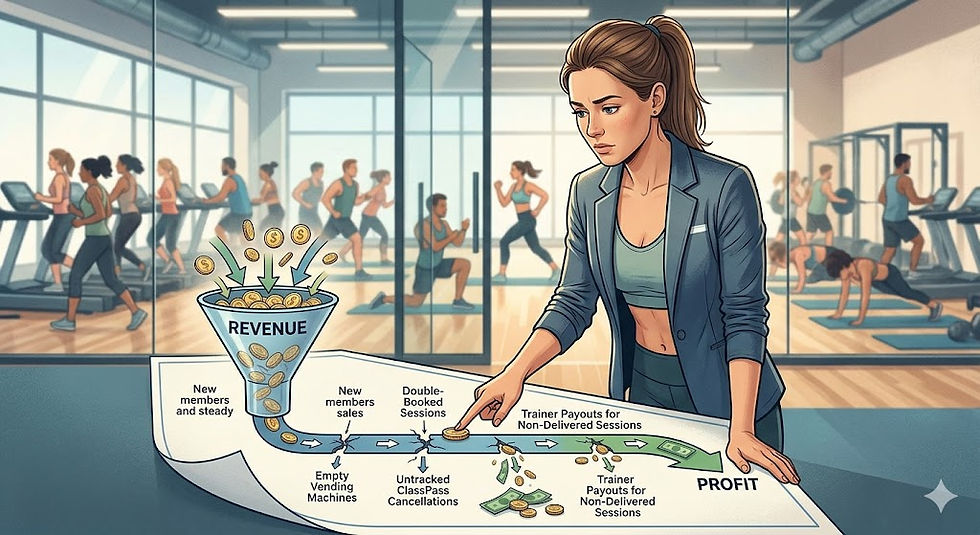
5. Cash Flow Is Misunderstood More revenue doesn’t always mean more cash. Expansion costs money upfront. Mistakes get more expensive. One bad month hurts far more when overheads are high. Many SMEs collapse not because they are unprofitable—but because they run out of cash at the wrong moment.
The Real Problem: No One Stops to Reassess
The biggest mistake isn’t ambition. It’s not pausing to reset the operating model.
Founders focus on growth, branding, marketing, and sales—but neglect structure, controls, and decision-making frameworks. These are not exciting topics, but they are what keep a business standing when things go wrong.
Strong businesses are not the ones with the best ideas.They are the ones that can absorb stress without breaking.
What Smart SMEs Do Differently
They recognise that each stage of growth comes with new risks.They clarify who is responsible for what.They set clear rules for escalation and decision-making.They prepare for problems before they happen.
Most importantly, they get an external perspective—someone who can see blind spots that insiders miss.
How First Forge Helps
At First Forge, we work with SMEs to stress-test their operations after success—not just at the start.
We help founders:
Identify where growth has created hidden risks
Put simple, practical operating frameworks in place
Clarify roles, authority, and escalation paths
Reduce dependency on any single individual
Build resilience without adding unnecessary bureaucracy
This isn’t about paperwork. It’s about making sure your business doesn’t collapse under its own success.
Clear Next Step
If your business has grown—or is about to—you should not wait for a crisis to reassess how it operates.
📩 Email us at: ops@thefirstforge.com A short conversation can reveal risks that are easy to fix now—and very expensive later.
Growth is not the danger. Unprepared growth is.